
Happy World Wildlife Day!


For World Wildlife Day it is hard to zero in on any one animal to admire. Instead we wanted to share a few big wins for wildlife conservation this year! In a world full of depleting resources, endangered animals, and shrinking habitats there are still loads of people fighting hard to ensure there is a future for these cherished animals. World Wildlife Day is also about celebrating those wins that hard work accomplished.
For World Wildlife Day We Celebrate:
Green Sea Turtles
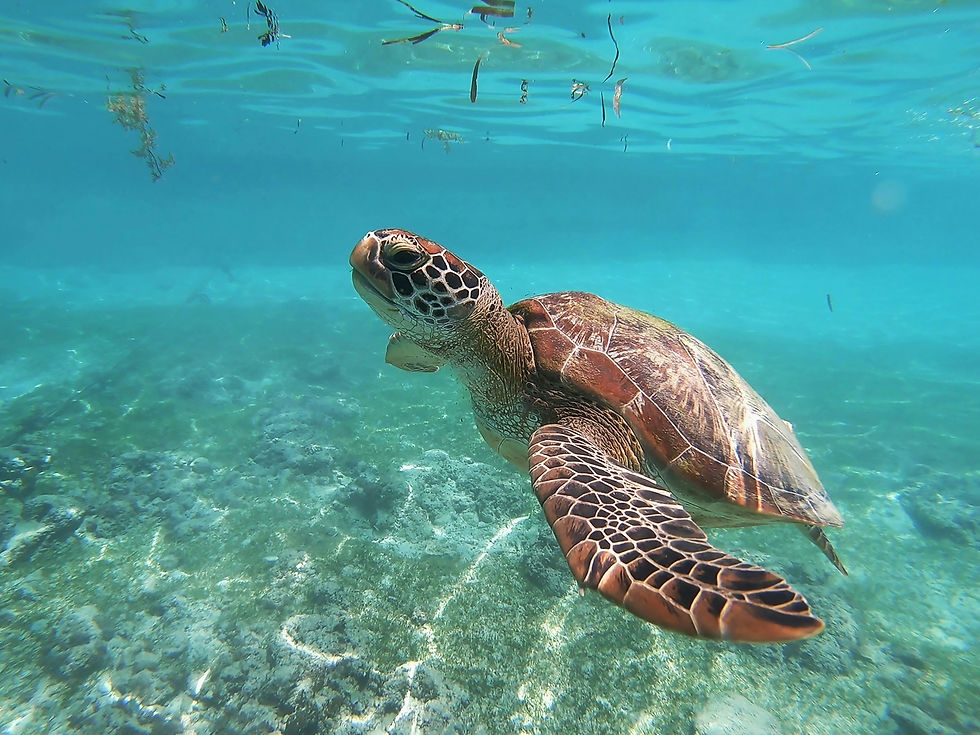
Green sea turtles are no longer on the endangered species list! They used to be so abundant that travelers in the time of Columbus could hear them breathing and bumping the sides of their boats. The current population size has risen 20-30% over the last decade and as of late 2025 their numbers were high enough to be considered stable. Here are some of our favorite sea turtle facts:
They were around with the dinosaurs, have changed very little, and clearly outlived the dinosaur extinction!
The scale patterns on sea turtle's faces are as unique as fingerprints and you can tell individual turtles apart by them.
The temperature of the sand in which the eggs are laid determines their sex! Warmer sand (87.8+ F) produce females and cooler sand (81.5 F) produce males. If the sand temperature hovers around the middle there is a mix of male and female.
They can live 50-70+ years.
Takes 30 years for a sea turtle to become an adult.
They return to the same beach their were born when they are ready to lay their own eggs.
Make incredible long migrations, sometimes thousands of miles, all using the Earth's magnetic field!
Giant Tortoises

The gentle giant tortoises have returned to roaming free and wild around the Galapagos Islands for the first time in 180 years. This animal was driven nearly to extinction in the early 1800s when voyagers took most of the animals, but through a lot of hard work and a successful breeding program 158 turtles were released onto the island.
Scimitar-Horned Oryx

You may have never heard of this animal before, but through breeding programs in Chad this beautiful creature was brought back from the brink of extinction and is now listed as "endangered". There are around 600 roaming free!
North Atlantic Right Whales

Although these whales are still listed as "critically endangered", there has been reports of higher number of births (at least 18) which is up from previous records. We must celebrate the small steps forward just as much as the big. Every little step toward recovery matters.
Bees

Wingless stingless honey bees in the Peruvian Amazon are the first insect ever to be granted legal rights. Having legal rights similar to people or corporations, increase survival of these animals. You can even file a lawsuit on their behalf to protect their habitat and ensure they have the right to live and thrive. They are a sacred and important part of the ecosystem in the Amazon and hopefully their new legal rights will ensure they survive all the various threats facing them.
Moose in Romania

Moose have been locally extinct in Romania for CENTURIES, until recently when a wild moose was spotted much to local conservationists surprise. Though it is unknown where it came from, and what brought it, the moose is bringing hope that they may return to Romania someday.
We have mentioned only a few pieces of good news for world wildlife, but of course there has been many more victories! Check out this page for more stories and to keep up to date on all things animal conservation.
Here you can download a few coloring sheets of Noelle's original artwork for your littles to enjoy! You can also see the original paintings for color inspiration.


Comments